
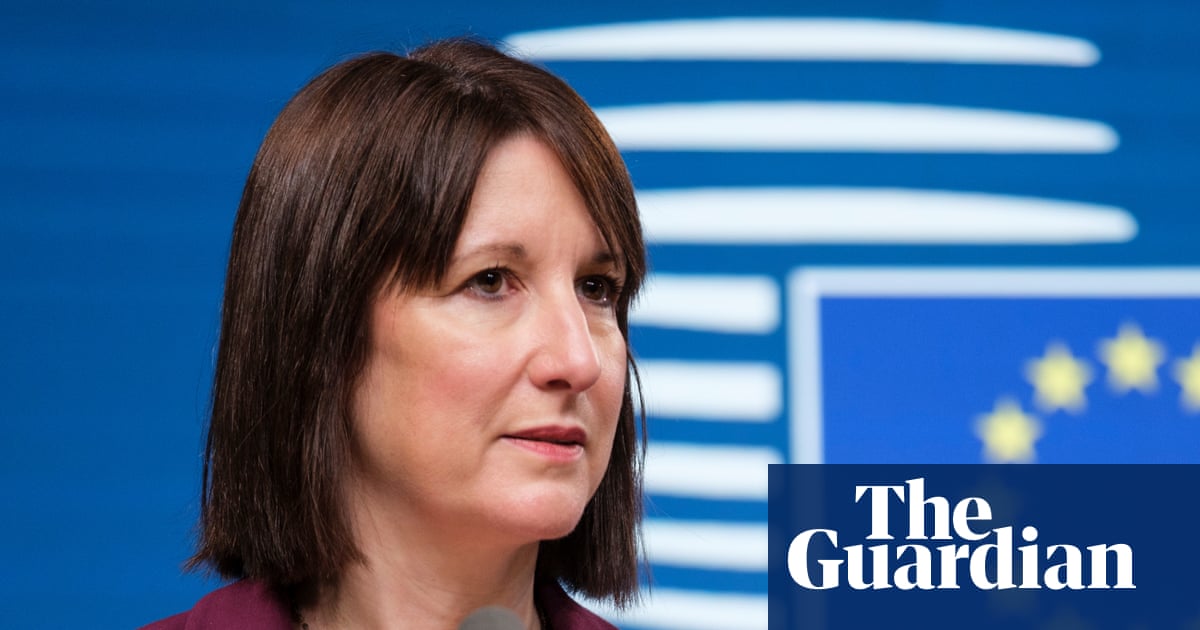
Chancellor Rachel Reeves has declared that strengthening UK-EU relations represents the “biggest prize” for British economic growth, dismissing concerns from some Labour strategists about alienating pro-Brexit voters. Speaking at a Bruegel thinktank event in London on Wednesday, Reeves emphasized her confidence in winning the political argument for closer EU alignment, citing the recent Erasmus student exchange agreement as evidence of public support for deeper cooperation.
The chancellor underscored the fundamental importance of EU trade to the UK economy, noting that nearly half of British trade involves the European bloc. According to Reeves, geographical proximity makes the EU a more significant economic partner than distant nations, regardless of other trade deals being pursued.
Labour’s Push for Closer EU Relations
Reeves told the audience that while the government remains interested in trade agreements with India, the United States, and South Korea, none would match the potential economic benefits of improved EU relations. “The biggest prize is clearly with the EU, and we have made progress there,” she stated during the conference on European security.
When asked about the possibility of a Swiss-style agreement involving alignment with EU rules and standards for key industries, the chancellor responded positively. “Further integration will require further alignment, but I’m up for that,” Reeves said, adding that the government is eager to explore sectoral alignment opportunities.
Sectoral Alignment and Economic Strategy
The chancellor emphasized that some alignment could be implemented unilaterally while other aspects would require negotiation with Brussels. She characterized current discussions on food and farming agreements, youth mobility schemes, and participation in the EU’s carbon border adjustment mechanism as merely “first base” in Labour’s broader reset strategy.
However, Reeves made clear that closer EU relations would not extend to rejoining a customs union or the single market. Both options were explicitly ruled out in Labour’s general election manifesto and would prevent the UK from negotiating independent trade deals with non-EU countries.
Economic Gravity and Trade Reality
Additionally, Reeves referenced Canadian Prime Minister Mark Carney’s recent Davos speech calling for middle powers to collaborate more closely. She stressed that Britain’s future remains “inextricably bound” with Europe for economic, security, and resilience reasons.
The chancellor also urged European colleagues to accelerate cooperation on defence procurement, warning that Russia would not wait for bureaucratic processes to conclude. Meanwhile, she expressed optimism about recent productivity growth indicators and falling interest rates creating favorable conditions for economic expansion.
Political Opposition and Economic Context
In contrast, Shadow Chancellor Sir Mel Stride accused Reeves and Prime Minister Keir Starmer of attempting to reverse Brexit. He claimed Labour was deflecting blame for economic failures by pointing to Brexit rather than accepting responsibility for policy decisions.
Reeves’s comments came ahead of official economic growth data scheduled for release Thursday morning. The Treasury hopes recent survey data indicating sectoral optimism will translate into improved economic performance following six interest rate cuts.
The government is expected to complete its review of the trade and cooperation agreement with the EU by year’s end, originally signed by Boris Johnson in 2020. A summit between UK and EU officials to discuss the relationship reset is scheduled for the coming months, though specific dates have not been confirmed.
