
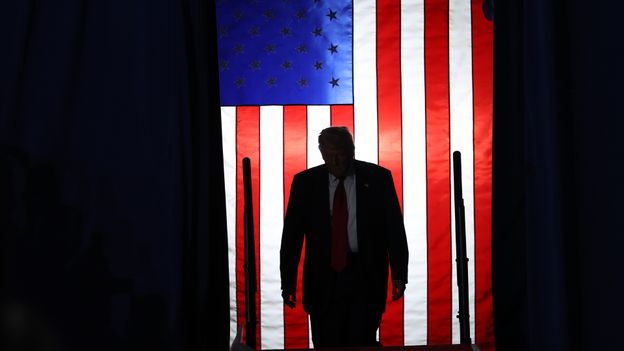
Tourism to the US is experiencing a significant downturn as international travelers reconsider their plans amid growing safety concerns and political uncertainty. According to the World Travel & Tourism Council, the US was projected to lose $12.5 billion in international visitor spending in 2025, making it the only country among 184 nations analyzed to see a decline in tourism revenue. The drop comes as President Donald Trump’s administration implements controversial policies that have triggered travel warnings from multiple countries and prompted some visitors to boycott the destination entirely.
The timing could not be worse for the American tourism industry. In 2026, the nation is celebrating the centenary of Route 66, the 250th anniversary of its independence, and co-hosting the FIFA World Cup—events that would typically generate substantial tourism revenue and international interest.
Political Climate Impacts Tourism to the US
Since taking office in January 2025, the Trump administration has implemented several measures affecting international visitors. These include issuing tariffs on longtime allies, repeatedly threatening to annex Canada, detaining foreign tourists at borders, and implementing mass deportations. Additionally, authorities are reportedly developing a program to scrutinize foreign tourists’ social media profiles before granting entry to the country.
The cumulative effect of these policies has fundamentally altered how travelers perceive American destinations. According to tourism industry website Skift, 46% of travelers polled in 2025 said they were less likely to visit the US because of the current political climate. Sarah Kopit, writing for Skift, noted that a US trip now feels like “both a political act, a leap of faith for entry and a financial burden” for many potential visitors.
International Response and Travel Advisories
Several nations have responded to the changing situation by issuing travel warnings for the US. The growing chorus of concern has led some travelers to label America a “hostile state” and call for comprehensive boycotts of US travel. This represents a dramatic shift in sentiment toward a destination that has historically been one of the world’s most popular tourism markets.
However, the impact extends beyond mere perception. International visitor spending represents a crucial component of the American economy, supporting millions of jobs in hospitality, transportation, retail, and entertainment sectors. The projected $12.5 billion loss in spending will have tangible consequences for these industries and the communities that depend on tourism dollars.
Economic Implications for US Travel Industry
The decline in international tourism comes at a particularly challenging time for US hotel owners and airline executives who had anticipated record-breaking visitor numbers. Meanwhile, destinations that traditionally compete with the US for international tourists may benefit from redirected travel spending as visitors seek alternative destinations they perceive as more welcoming or predictable.
In contrast to the US situation, the vast majority of countries analyzed by the WTTC and Oxford Economics are experiencing growth in international visitor spending. This highlights the unique nature of America’s tourism challenges and suggests that broader global travel trends are not responsible for the downturn.
Industry observers will be watching closely to see whether the situation stabilizes as 2026’s major events approach, though uncertainty remains about whether the US can reverse the negative trend in international tourism sentiment before these significant milestones arrive.
