
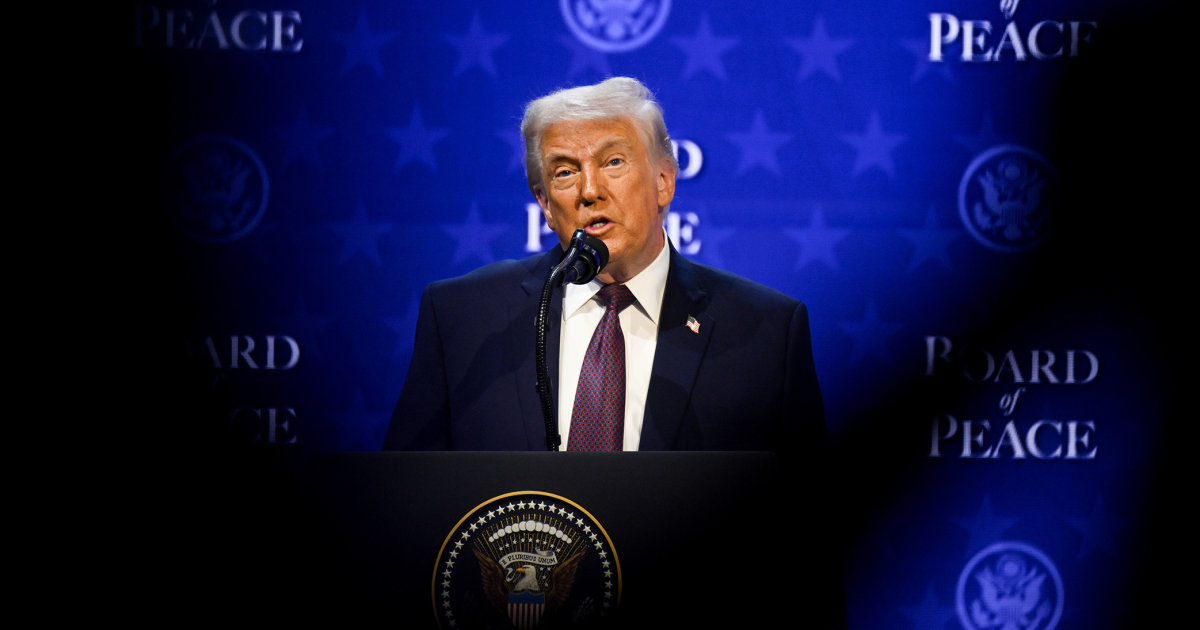
President Donald Trump’s visit to the World Economic Forum in Davos, Switzerland, has left European allies questioning the stability of transatlantic relations, according to reports from NBC News. Trump’s aggressive stance on Greenland and his approach to international diplomacy have raised concerns among NATO members about the future of long-standing alliances, with officials warning of a potential “rupture” in geopolitical relations.
Despite Trump claiming victory on his Greenland demands, a Danish official told NBC News that the access to Greenland the United States is now negotiating was available from the start without the diplomatic turbulence. Trump appeared to back away from his maximalist demand for U.S. ownership of Greenland, instead moving toward a deal allowing more American troops, bases, and military hardware on the Danish territory.
Trump Greenland Controversy Creates NATO Alliance Tensions
The Trump Greenland issue dominated conversations at the World Economic Forum, with multiple world leaders expressing alarm about shifting international dynamics. Canadian Prime Minister Mark Carney warned in his Davos speech that geopolitical relations are undergoing a “rupture,” while German Chancellor Friedrich Merz echoed these concerns, stating that the foundations of the international order have been shaken.
Senator Lisa Murkowski, an Alaska Republican who attended the forum, told NBC News she was concerned that relationships built up over decades “were fractured” during Trump’s appearance. The senator’s comments reflect growing unease among some Republicans about the president’s approach to traditional U.S. allies.
European Officials Question Future of Transatlantic Relations
According to the Danish official who spoke with NBC News, the drama surrounding Trump’s Greenland demands was unnecessary given existing cooperation frameworks. The official indicated that arrangements for enhanced U.S. military presence on Greenland could have been negotiated through standard diplomatic channels without threatening Danish sovereignty or creating an internal NATO crisis.
In an interview with Fox Business, Trump declared “we’re getting everything we wanted — total security, total access to everything.” However, European officials have expressed skepticism about whether the approach taken will have lasting consequences for trust within the alliance. German Chancellor Merz specifically warned that the “international order of the past three decades — anchored in international law” has had its foundations shaken.
Greenland Strategic Importance Drives U.S. Interest
Greenland holds significant strategic value for the United States due to its Arctic location and proximity to key shipping routes. The island territory of Denmark hosts Pituffik Space Base, formerly known as Thule Air Base, which serves as a crucial installation for American early-warning systems and space surveillance operations.
Additionally, climate change has opened new navigation routes through Arctic waters, increasing Greenland’s geopolitical significance. The island also possesses substantial mineral resources, including rare earth elements critical to modern technology and defense systems. These factors explain the Trump administration’s heightened interest in securing expanded access to Greenland.
NATO Members Assess Diplomatic Fallout
Meanwhile, NATO officials are working to assess the long-term implications of the diplomatic tensions created during the Davos gathering. The alliance has faced internal pressures before, but the direct questioning of territorial integrity among member states represents an unusual challenge to the organization’s cohesion.
In contrast to Trump’s celebratory tone about his Davos visit, European leaders returned home facing questions about whether the United States remains a reliable partner. The episode has prompted discussions about European strategic autonomy and the need for the continent to develop independent defense capabilities that do not rely exclusively on American support.
Observers anticipate continued negotiations between U.S. and Danish officials regarding military cooperation in Greenland, though the timeline for any formal agreement remains unclear. European leaders are expected to address alliance concerns at upcoming NATO meetings, where member states will likely seek clarification on American commitments to collective security arrangements.
