
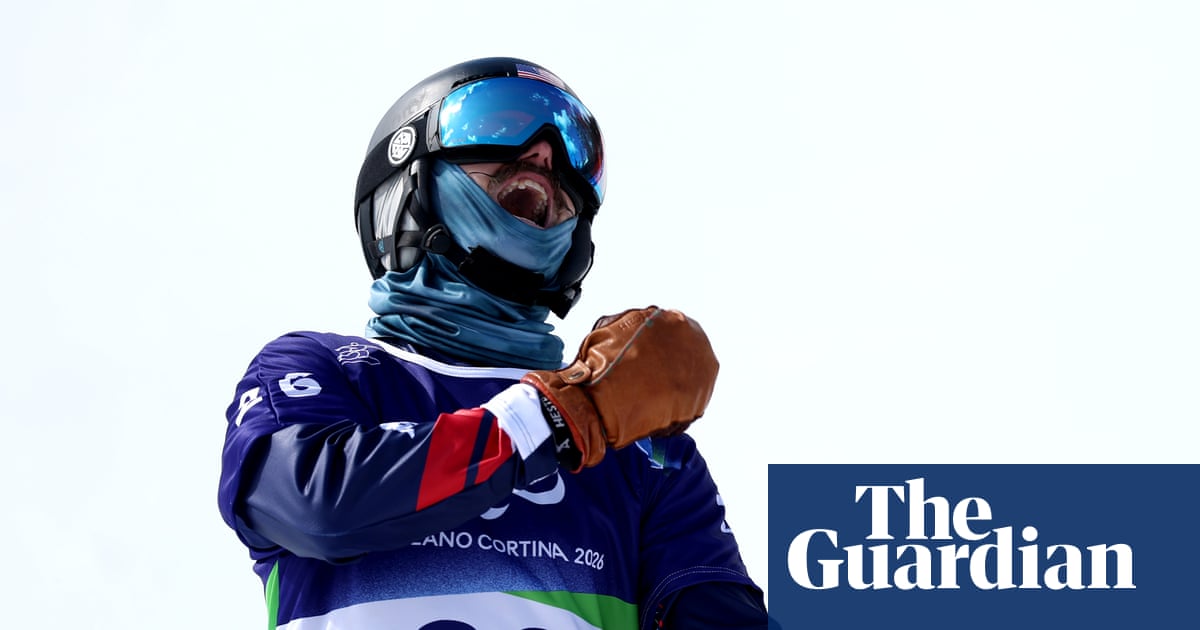
American para snowboarders delivered dominant performances at the Milan Cortina Paralympics on Friday, with Noah Elliott claiming gold in the men’s SB-LL1 banked slalom and Kate Delson capturing the women’s SB-LL2 title. The victories added to the United States’ medal count at the Games, showcasing the nation’s strength in adaptive winter sports competition.
Elliott demonstrated exceptional consistency by posting the two fastest times of the competition. According to race results, he completed the course in 58.96 seconds on his first run before marginally improving to 58.94 seconds on his second attempt. In banked slalom competition, athletes take two runs down the course with their fastest time determining final placement.
Historic Medal for Retiring American Athlete
Japan’s Daichi Oguri secured silver with a best time of 59.02 seconds, the only other competitor to finish under one minute. However, the bronze medal carried particular significance as it went to American veteran Mike Schultz in his final Paralympic race.
The 44-year-old athlete competed at three Paralympic Games and concludes his career with four medals overall, including one gold, two silver, and one bronze. Additionally, Schultz has made lasting contributions to para snowboarding beyond competition by designing adaptive prosthetic equipment now used by many athletes in the sport.
Delson Adds Second Medal in Milan Cortina
Meanwhile, 20-year-old California native Kate Delson secured her second medal of the Milan Cortina Paralympics with gold in the women’s SB-LL2 banked slalom. She recorded a winning time of 1 minute 2.99 seconds on her second run, according to official results.
Delson had previously earned silver in snowboard cross earlier in the Games. Her banked slalom victory came with a comfortable margin over Lisa Bunschoten-Vos of the Netherlands, who finished 0.54 seconds behind to claim silver.
Classification Considerations in Para Snowboarding Competition
American Brenna Huckaby earned bronze after posting the third-fastest time in a unique competitive situation. The two-time Paralympic champion competed in the SB-LL2 event despite being classified in SB-LL1, a category designated for athletes with more significant lower-limb impairments.
The classification arrangement occurred because the women’s banked slalom at the Milan Cortina Paralympics was contested only in the SB-LL2 category. According to organizers, insufficient athletes entered in the SB-LL1 classification to hold a separate event, necessitating the combined competition format.
In contrast to some Paralympic sports where classification strictly separates competition categories, para snowboarding occasionally allows athletes to compete in adjacent classifications when participation numbers require consolidated events. This approach ensures athletes have competitive opportunities while maintaining fairness in sport.
American Success in Adaptive Winter Sports
The double gold medal performance underscores the United States’ continued investment and success in adaptive winter sports programs. The American Paralympic snowboarding team has consistently produced medal contenders across multiple classifications and disciplines at international competitions.
Elliott’s victory in the men’s SB-LL1 banked slalom represents the culmination of years of competitive development in a classification that has grown significantly since para snowboarding joined the Paralympic program. His sub-59-second times set a high benchmark for future competitions in the discipline.
As the Milan Cortina Paralympics continue, additional para snowboarding events remain on the schedule. Athletes will compete in various classifications and disciplines, with medal ceremonies expected to follow the conclusion of each event day.
