
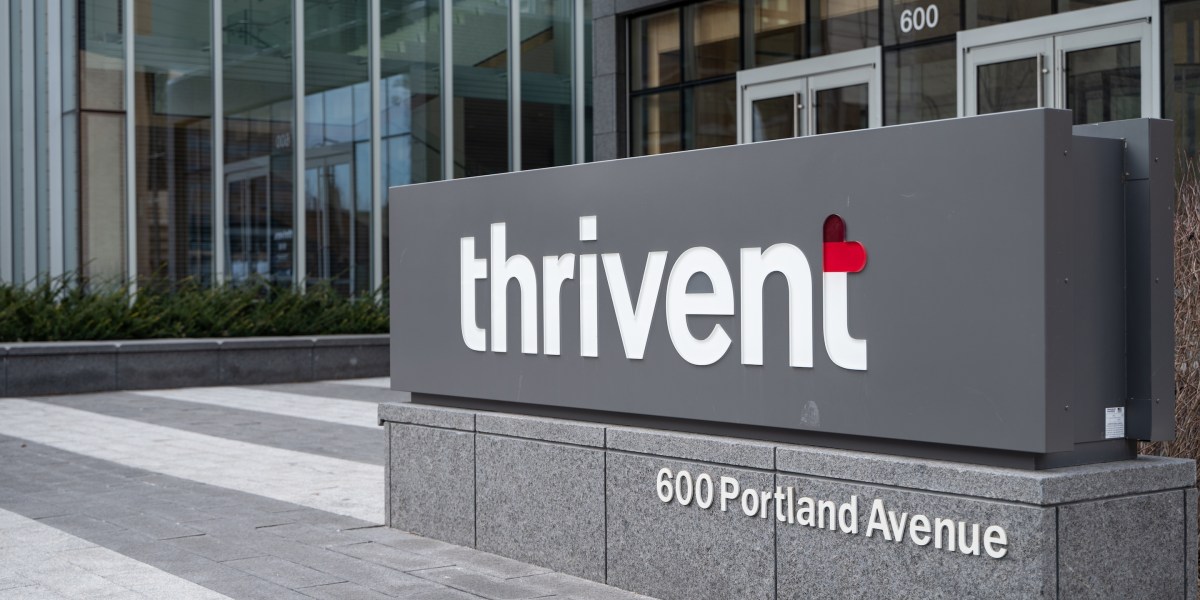
Minneapolis-based financial services company Thrivent announced plans this week to hire 600 financial advisors in 2026, continuing an aggressive expansion strategy as the industry faces a looming talent shortage. The Fortune 500 company exceeded the same hiring target in 2025 and positions the continued recruitment as essential to meeting growing demand for purpose-driven financial planning services.
According to Nick Cecere, Thrivent’s chief distribution officer, adding new advisors remains central to the company’s growth strategy. Thrivent operates as No. 388 on the Fortune 500 list, managing more than $212 billion in assets under management and advisement while serving 2.4 million clients.
Financial Advisor Shortage Drives Hiring Push
The recruitment initiative reflects broader challenges in wealth management as the industry confronts a significant talent gap. According to McKinsey research, more than 100,000 U.S. financial advisors are expected to retire over the next decade, creating urgent pressure on firms to attract and develop new professionals.
Addressing this shortage requires fundamental changes to how firms operate, the research indicates. McKinsey recommends increasing advisor productivity through improved lead generation, teaming structures, and AI-enabled technology that allows advisors to focus on high-value activities rather than administrative tasks.
Recruiting Through Multiple Channels
Thrivent recruits financial advisors through both its traditional field network and a newer Virtual Advice Team, an employee channel where advisors serve clients remotely. Participants in the virtual program typically spend 12 to 24 months developing their skills before either joining an established advisor team or launching their own independent practice.
The program attracts diverse candidates, Cecere said, including both early-career professionals and second-career individuals. Teachers, coaches, and business professionals seeking purpose-driven work represent a significant portion of recruits drawn to the client-focused nature of financial advising.
Technology Supports Rather Than Replaces Advisors
However, Thrivent emphasizes that artificial intelligence and technology investments aim to augment rather than replace human advisors. David Royal, the company’s executive vice president and chief financial and investment officer, said the firm made a strategic decision to increase headcount specifically because human advisors enable better client service.
The personal relationships and trust between Thrivent’s wealth management professionals and clients remain “deeply important” for financial planning, legacy building, and community impact, according to Royal. Technology helps modernize operations and provides teams with better tools to focus on high-value, purpose-driven work rather than routine tasks.
Company Background and Regional Expansion
Thrivent was founded in 1902 as an aid association for Lutherans and has since expanded its banking and investment services to nonmembers regardless of religious affiliation. The company employs more than 4,500 people and is led by CEO Terry Rasmussen, who took an unconventional path to Fortune 500 leadership.
The firm operates regional hubs in Atlanta, Dallas, Denver, Minneapolis, and Milwaukee that support the virtual advice program. Additionally, Thrivent is considering further geographic expansion to accommodate continued growth in both advisor recruitment and client services.
Retention and Client Satisfaction Drive Long-Term Strategy
Strong advisor retention and client satisfaction remain central priorities in Thrivent’s long-term growth strategy, Cecere said. The company views workforce development as critical as the wealth management industry adapts to changing demographics and integrates new digital tools into traditional advisory relationships.
The company’s continued expansion plans will depend on successfully onboarding and retaining new financial advisors while maintaining service quality standards. Thrivent has not announced specific timelines for potential additional regional hub openings or further expansion of its virtual advisor program beyond the 2026 hiring targets.
