
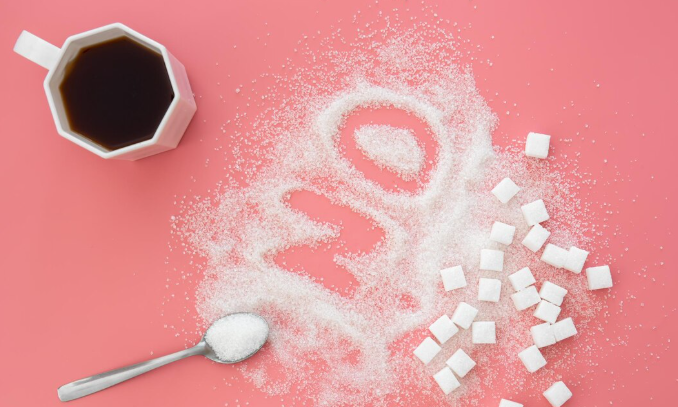
It begins in places that are comforting. A “low sugar” aisle in the grocery store A clean energy protein bar. A soda can that subtly says, “Zero calories, no guilt.” Erythritol is an ingredient that is frequently overlooked. It has been viewed for years as a cunning middle ground between sweetness and moderation, a harmless workaround. However, that serene presumption has started to falter lately.
The way scientists discuss this ingredient seems to be slightly changing. Not overly concerned. Not conclusive. But wary, almost apprehensive. Research from organizations like the Cleveland Clinic and the National Institutes of Health indicates that once erythritol enters the bloodstream, it may be doing something unexpected, such as activating platelets, promoting the formation of clots, and potentially pushing the body toward conditions associated with heart attacks or strokes.
| Category | Details |
|---|---|
| Substance | Erythritol (Sugar Alcohol Sweetener) |
| Common Uses | Keto foods, sugar-free drinks, chewing gum, baked goods |
| Sweetness Level | ~70% as sweet as sugar |
| Key Concern | Linked to increased blood clot formation |
| Research Source | National Institutes of Health (NIH) |
| Study Findings | Elevated platelet activity and clot risk after consumption |
| Regulatory Status | Generally Recognized as Safe (GRAS) |
| Reference | NIH Research on Erythritol |
In one study, participants in good health drank an erythritol-containing beverage. The events that followed were remarkable in their consistency, but they weren’t as dramatic as headlines frequently suggest. Every participant’s platelet activity increased. It’s difficult to ignore such a consistent response. It’s possible that when the body comes into contact with high erythritol concentrations, it reacts in ways that scientists weren’t expecting when the substance was first approved decades ago.
It’s difficult to ignore how pervasive erythritol has become in daily food when strolling through a contemporary grocery store. Chewing gums arranged next to checkout counters, sugar-free desserts advertised in pastel packaging, and keto snacks neatly arranged on shelves all subtly rely on sugar alcohols like erythritol to provide sweetness without any repercussions. The appeal is clear. It doesn’t cause a blood sugar spike. Unlike some alternatives, it doesn’t have a bitter aftertaste. In many respects, it seems to have been designed with the present in mind.
Erythritol levels in the blood can increase significantly after consumption, sometimes by more than a thousand times, according to research findings. Erythritol typically lingers before being eliminated, in contrast to sugar, which the body breaks down and uses for energy. The problem might start with that residual presence interacting with platelets. Although the pattern is sufficient to cause clinicians to pause, it is still unclear whether occasional consumption poses a significant risk.
This is also a cultural irony. Erythritol is being used by many people who are already attempting to lower health risks, such as managing diabetes, preventing weight gain, or reducing cardiovascular strain. In a sense, the group that is requesting protection might be the most vulnerable to any unforeseen repercussions. It’s hard to ignore that tension.
Reactions outside of research labs have been conflicting. Industry associations emphasize that erythritol has long been deemed safe by regulators, citing decades of safety data. Furthermore, they are not totally incorrect. Its use has not historically resulted in widespread acute harm. However, more recent research is concentrating on something more nuanced: long-term cardiovascular effects that may not be apparent in short-term assessments.
Both realities might exist simultaneously. Even though a substance is generally safe to use, it may still pose certain risks in particular situations or among particular groups of people. Seldom does that subtlety appear on product labels.
Years ago, artificial trans fats were also regarded as acceptable and even advantageous in certain processed foods. Before the story changed, it took some time and a gradual build-up of evidence. A faint echo of that earlier uncertainty can be seen in the current discussion surrounding erythritol. Not the same. but recognizable.
Physicians are starting to ask different questions in clinical settings. Patients’ substitutes for sugar are just as important as whether they use it. Ingredient patterns are just as important as calorie intake. These seemingly insignificant modifications point to a more comprehensive reconsideration of what constitutes “healthy” in processed foods.
Customers perceive the problem as more intimate. The promise of sugar substitutes was straightforward: savor sweetness without having to pay the metabolic cost. That promise seems less certain now. Complicated, but not exactly broken.
We seem to be in the midst of a reevaluation rather than at its end. Larger, longer-term studies are being demanded by researchers. Particularly for those who are already at risk of cardiovascular disease, some medical professionals recommend moderation. Additionally, consumers are left to interpret changing science in real time while standing in silent aisles.
The change in tone is difficult to ignore. Erythritol now carries a question mark where it once felt almost neutral and invisible. Not yet a warning label. But something more subtle and unclear.
And that might be the most disturbing aspect. The increasing awareness that something once thought to be harmless might merit a second look, rather than the certainty of danger.