
Portfolio managers have been staring at the same question written on a whiteboard for the better part of the past year in a conference room located on the upper floors of an investment firm in Midtown Manhattan: Why is Buffett selling? Over the course of a single year, the Oracle of Omaha, who had previously held Apple stock like oxygen, reduced his holdings from 789 million shares to just 300 million. It’s not a rebalance. That’s a claim.
Berkshire Hathaway may be undergoing the most significant portfolio change since the early 2000s, when Buffett discreetly moved away from the dot-com bubble’s wreckage and started discreetly expanding his holdings in the financial and energy sectors. Today’s movements have a different texture; they are purposeful rather than reactive. Even premeditated.
| Field | Details |
|---|---|
| Full Name | Warren Edward Buffett |
| Born | August 30, 1930 — Omaha, Nebraska, USA |
| Title | Chairman & CEO, Berkshire Hathaway (announcing departure from CEO role, late 2025) |
| Net Worth (2025 est.) | ~$142 billion (Forbes Real-Time) |
| Company | Berkshire Hathaway Inc. (NYSE: BRK.A / BRK.B) |
| Company Founded | 1839 (textile origins); Buffett took control in 1965 |
| Headquarters | Omaha, Nebraska, USA |
| Total Portfolio Value | Approx. $300+ billion (equity holdings, Q4 2025) |
| Cash & Treasuries (2024) | $334 billion — record high as of end-2024 |
| Berkshire’s Total Return (1964–2024) | 5,502,284% vs S&P 500’s 39,054% |
| Investment Style | Value investing; long-term holding; cash-flow focused businesses |
| Successor (CEO-designate) | Greg Abel, Vice-Chairman of Non-Insurance Operations |
| Major 2025 Portfolio Exits | Apple (AAPL) — reduced from 789M to 300M shares; Bank of America significant reduction |
| New 2025 Positions | UnitedHealth (UNH), Nucor (NUE), Lennar (LEN), D.R. Horton (DHI) |
| Reference | Investopedia — Warren Buffett Biography |
Previously making up about half of Berkshire’s total portfolio value, Apple currently makes up about 22%. It’s more than just a statistic. For many years, Buffett’s general discomfort with technology was limited to Apple, which he considered to be more of a consumer franchise than a tech company. Something changed. Buffett isn’t exactly filling in the blanks when it comes to valuation anxiety, macroeconomic caution, or quiet preparation for a leadership transition. Seldom does he.
The cash position seems to reveal the true story. The total amount of cash and short-term Treasury bills that Berkshire held at the end of 2024 was $334 billion, which is so big that it seems like a typo. Omaha’s mid-century brick architecture and corn exchange heritage give the city its typical calm confidence on a weekday morning; it’s not the kind of place you’d associate with financial anxiety. Nevertheless, a company is building up a cash pile out of that city that is comparable to the GDP of mid-sized countries. That begs the question.
According to some analysts, Buffett perceives overvaluation everywhere. Some believe this is generational transition planning, creating liquidity for his successor, Greg Abel, so the new CEO won’t have to make decisions right away. Which reading is more accurate is still up for debate. Both could be the case.
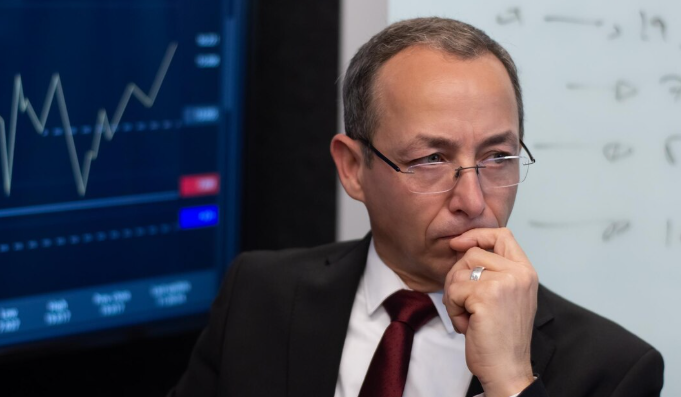
The new wagers are less unclear. Berkshire discreetly started investing in UnitedHealth Group, acquiring about 5 million shares valued at approximately $1.6 billion, at a time when the health insurance industry was experiencing a surge of negative sentiment due to a series of high-profile scandals. Reminiscent of Buffett’s post-crisis financial sector purchases after 2008, investing in a beaten-down sector with robust underlying cash flows is practically a signature move. A stake in the steelmaker Nucor, which is producing significant cash flows from American industrial infrastructure at a time when reshoring discussions have actual policy weight behind them, suggests cyclical discipline.
Housing also made a quiet appearance. Despite the fact that mortgage rates remained high for a large portion of the year, Buffett’s positions in Lennar and D.R. Horton, two homebuilders, indicate that he still believes in the durability of U.S. housing demand. This perspective contradicts many of Wall Street’s more negative assessments of the industry. He might be correct.
It’s difficult to ignore the disparity between what Berkshire is purchasing and selling as this develops. Big banking and mega-cap tech are the exits. Healthcare, steel, housing, and energy are among the entries. It feels less like panic and more like a philosophical shift away from the glitzy names that dominated the 2010s and toward something more substantial, tangible, and connected to the real economy.
Buffett’s position at Bank of America, which he held with apparent conviction for years, was also significantly reduced. During one of the bank’s most precarious times, he had amassed the stake and guided it through an incredible comeback. Given that the stock is currently trading at relatively high levels, selling now makes sense for a man who has consistently stated that his ideal holding period is forever—that is, until forever ceases to make sense.
Cash, foreign holdings, and derivatives are completely left out of the 13F filings that disclose these actions, which are always filed up to 45 days after the end of the quarter. As a result, what investors see is a somewhat outdated view of a portfolio that is managed at a level that most ordinary investors can only dream of. Which tickers to copy is not the lesson here. Rotate toward resilience, respect valuation, and never allow a rising stock price to persuade you that the future is certain. This is the underlying logic that is worth learning.
Forecasts reveal more about the forecaster than they do about the future, according to a quote from Buffett. The forecast ingrained in his actions is remarkably evident given what he has done with Berkshire’s portfolio over the past year. He perceives a market that is priced for excellence. He’s ready for something less ideal. It will take time and the upcoming quarterly filing to determine whether he is correct, as he has frequently been.
