
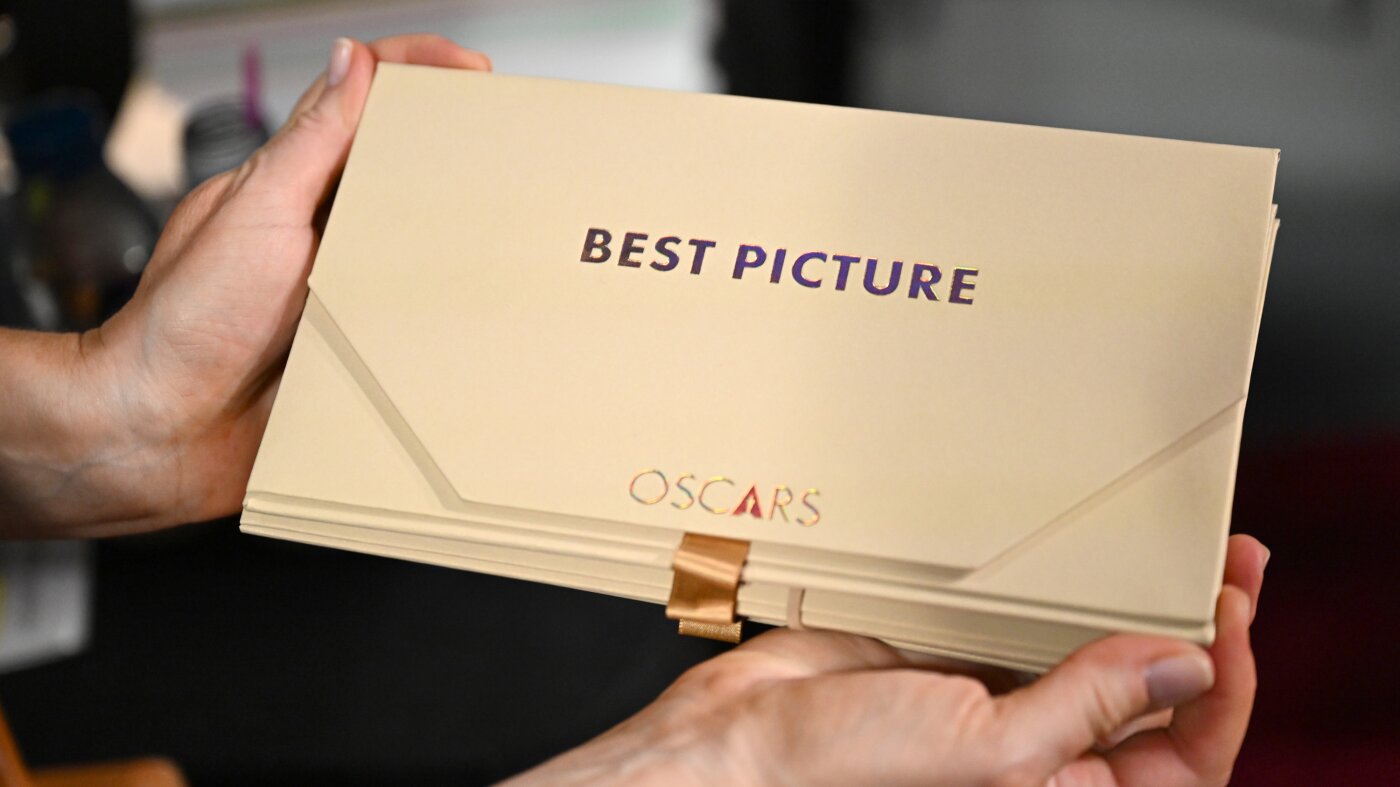
The 2026 Academy Awards are shaping up to be one of the most competitive Oscar races in recent years, with major categories dominated by two contrasting films. Film critics from NPR have analyzed the frontrunners and shared their predictions for who will win and who should win best picture at the ceremony on Sunday night.
The best picture category has emerged as a showdown between two distinct films: Ryan Coogler’s genre-bending vampire thriller featuring Michael B. Jordan in a dual role, and Paul Thomas Anderson’s period satire exploring political extremism. According to NPR’s critics, the race represents a clash between traditional Academy preferences and contemporary filmmaking ambitions.
Best Picture Race Between Period Drama and Genre Film
Glen Weldon of NPR predicts that Anderson’s film will ultimately take the best picture prize, despite strong support for Coogler’s work. The Academy uses ranked choice voting for best picture, requiring a film to secure over 50% of votes to win. “It’s not enough for there to be a small base of very vocal supporters. You need everyone to kind of like your movie,” Weldon explained.
However, the traditional Oscar voter demographic may favor Anderson’s satirical approach over the horror elements present in Coogler’s film. Weldon noted that certain Academy members might view voting for the period satire as a political act, though he personally believes the vampire thriller deserves recognition.
Additionally, Aisha Harris pointed to industry sentiment favoring Anderson, who has yet to win best picture or best director despite his acclaimed career. “He’s a director’s director, he is the Letterboxd king,” Harris said, suggesting Hollywood feels it’s time to recognize his work.
Momentum Building for Vampire Thriller Despite Early Release
Stephen Thompson sees parallels between Coogler’s film and previous surprise winners. Both came out early in the year, exceeded box office expectations, maintained awards buzz for months, and feature predominantly non-white casts outside conventional Oscar genres. The film also received more nominations than initially expected, suggesting broad Academy support.
Meanwhile, cinematographer Autumn Durald Arkapaw’s work on the vampire thriller has drawn particular praise. Thompson called her contribution “jaw dropping” and expressed hope she would receive recognition alongside the film’s other achievements in visual storytelling and musical sequences.
Best Actor Category Remains Highly Competitive
In the best actor race, critics are divided between Timothée Chalamet for his ping pong drama and Michael B. Jordan’s dual performance. Harris predicts Chalamet will win despite Jordan’s transformative work playing twin brothers, one of whom becomes a vampire. “I do think that he’s probably rubbed some people a little bit the wrong way,” Harris noted about Chalamet’s intensive campaign efforts.
However, Linda Holmes suggested Chalamet’s promotional approach may have “worn thin with people,” particularly following controversial comments about ballet and opera audiences. Thompson believes Jordan should win and will win, citing audience fatigue with Chalamet’s consecutive Oscar campaigns.
Jessie Buckley Favored for Best Actress
There’s near-consensus among NPR critics that Jessie Buckley will win best actress for her portrayal of William Shakespeare’s wife. Thompson praised her “extraordinary amount” of emotional range and technical skill. Linda Holmes acknowledged that while the performance is “very Oscars-y,” Buckley executes it exceptionally well.
Despite predictions favoring Buckley, critics identified strong competition from Rose Byrne and Renate Reinsve. Holmes and Weldon both selected Byrne as their personal choice, with Weldon calling her work “completely unforgettable.” Harris favored Reinsve for her layered portrayal of an actor confronting family trauma and creative struggles.
The 2026 Academy Awards ceremony will reveal whether voters embrace genre innovation or traditional prestige filmmaking. With multiple tight races across major categories, Sunday night’s results remain uncertain despite strong precursor award patterns favoring specific contenders.
