
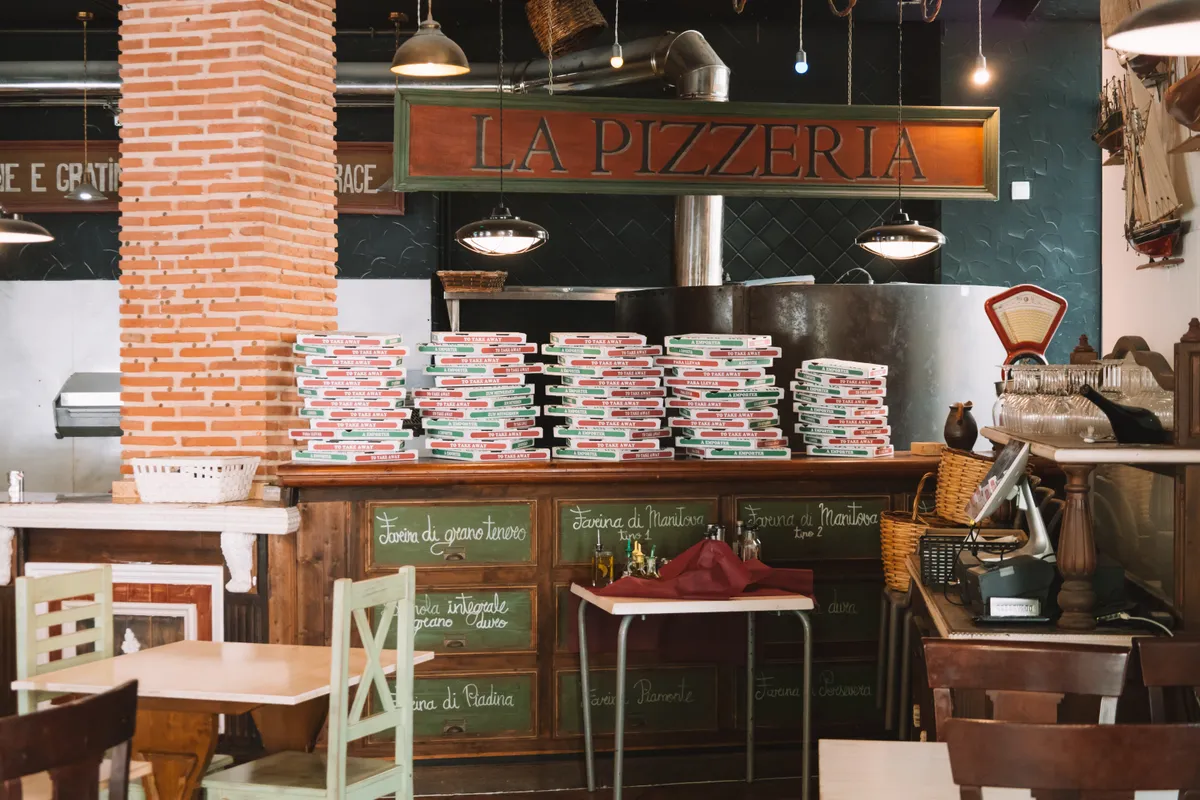
The Yum Pizza Hut sale is setting a new valuation benchmark across the quick-service restaurant sector, with Restaurant Brands International (NYSE: QSR) emerging as the most direct beneficiary of the capital rotation it triggers.
| Metric | Detail |
|---|---|
| Pizza Hut deal value | $3.6B – $4.3B (LongRange Capital, exclusive) |
| YUM net debt post-deal (est.) | ~$5.3B, down from $9.3B; leverage ~1.7x EBITDA |
| Pizza Hut % of YUM revenue (2025) | ~12%, down from 18%+ in 2019 |
| QSR Q1 2026 revenue | $2.26B (+7.3% YoY); beat estimates by 0.9% |
| QSR Q1 2026 net income | $445M (doubled from $223M a year earlier) |
| QSR dividend yield / buyback | 3.5% yield; $500M repurchase authorized |
Yum! Brands (NYSE: YUM) entered exclusive talks with private equity firm LongRange Capital after the PE firm beat out multiple competing bidders. If the deal closes, it would mark the first time Pizza Hut has been taken private in roughly 50 years.
A separate competing proposal had been circulating. Investment firm Irth Capital Management was working with Pizza Hut’s largest U.S. franchisee on an alternative bid before LongRange locked up exclusivity, per Reuters. That competing interest validates the price range and confirms demand for the asset even in its weakened state.
Why Yum Needs This Deal
Yum launched a strategic review of Pizza Hut in 2025 after years of failed revival attempts. The brand posted 10 consecutive quarters of declining U.S. comparable sales. Its share of Yum’s total revenue has slid from more than 18% in 2019 to roughly 12% in 2025, while dragging on consolidated margins the entire way down.
The balance sheet math is straightforward. Yum carries gross long-term debt of $11.5 billion as of March 31, 2026. Applying deal proceeds toward debt reduction would cut net long-term debt from $9.3 billion to approximately $5.3 billion, compressing leverage to 1.7x trailing EBITDA. That is a meaningful de-risking of the equity.
Operationally, the exit clears the way for Taco Bell and KFC to dominate the consolidated financials without Pizza Hut’s drag. It also shores up Yum’s $3 annualized dividend, which yields roughly 2% on a 48% payout ratio. Meanwhile, Pizza Hut is already closing approximately 250 underperforming U.S. locations by July 1, shrinking the footprint before any ownership transfer.
What the Yum Pizza Hut Sale Means for QSR
Private equity placing a $3.6B-to-$4.3B tag on a brand with demonstrable performance problems is the key data point. It forces the public market to reprice healthier portfolios upward. Restaurant Brands International, whose brands include Burger King, Tim Hortons, Popeyes, and Firehouse Subs, is the most direct read-across.
QSR’s Q1 2026 numbers back the thesis. Total revenues hit $2.26 billion, up 7.3% year-over-year, beating Wall Street estimates by 0.9%. Net income from continuing operations doubled to $445 million from $223 million a year earlier, with diluted EPS rising to $0.97 from $0.49. System-wide sales grew 6.2%, organic adjusted operating income climbed 10.7%, and adjusted EPS rose 14.6%.
One blemish: Popeyes U.S. same-store sales dropped 6.5% in Q1, well past the 1.5% decline Wall Street had penciled in and its steepest quarterly fall in years. That is the offset to the bullish setup. A brand the snippet’s sum-of-the-parts argument values at a premium to Pizza Hut is, at present, declining faster than expected.
Still, the shareholder return profile is hard to ignore. QSR carries a 3.5% dividend yield and a freshly authorized $500 million buyback, versus Yum’s roughly 2% yield. Institutional allocators rotating out of a Yum that has re-rated higher post-deal have a clear, liquid destination.
The Yum Pizza Hut sale has also invited scrutiny of QSR’s own portfolio. Wall Street’s positive reaction to asset-shedding at Yum creates pressure on every multi-brand operator: optimize proactively, or wait for an activist to force the issue. With $1.01 billion in cash against $13.23 billion of long-term debt, QSR has the balance sheet capacity to act, but also the leverage profile that makes inaction visible.
The deal’s closing, or any stumble in exclusivity talks, is the binary trigger. At QSR’s current multiple, the Popeyes drag and the debt load are priced in. A confirmed Pizza Hut transaction closes the discount.