
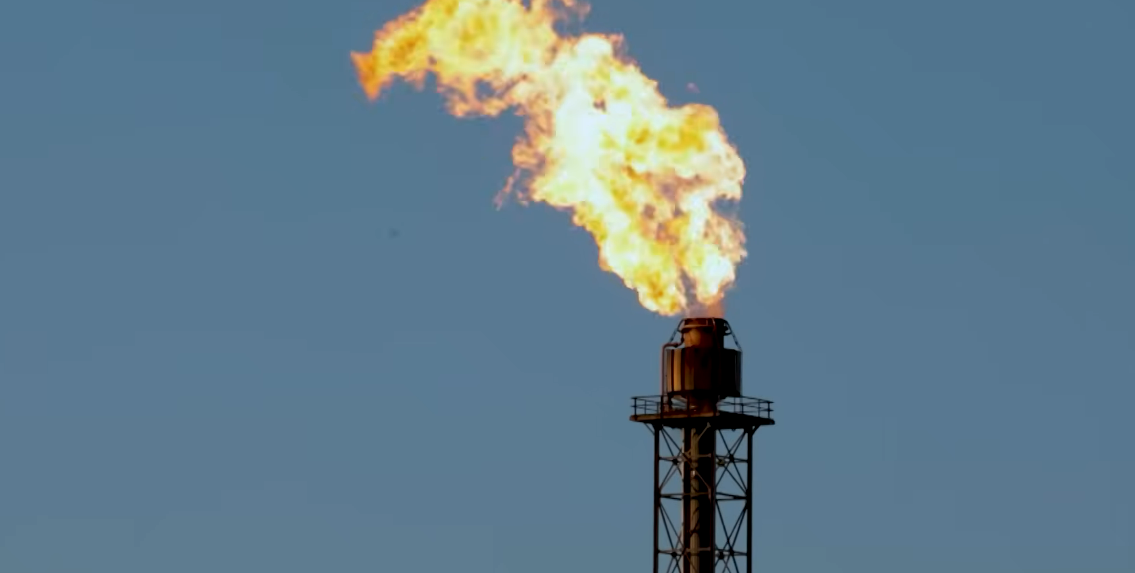
There is a certain industrial calm that makes the present moment seem almost surreal when you stand close to a fuel terminal on the outskirts of any major port city, such as Rotterdam, Houston, or Jebel Ali. Tankers coming and going. Humming pipelines. The control rooms’ lights are on. For now, everything is working. However, if you speak with anyone who works in the energy markets, the serenity begins to fade. For weeks, the Strait of Hormuz has been partially closed. On Friday, Brent crude settled above $112 per barrel. WTI reached $99.64. Additionally, a question that no one can fully address is present in the background of every energy-related decision being made at the moment: In ten years, what will this system look like?
From Brookings to the trading desks at StoneX to the IEA, the truth is that no one is totally certain. That isn’t a hedge. It is one of the few topics on which serious analysts from all ideological backgrounds appear to genuinely concur. The World Uncertainty Index, a metric created by economists at Stanford and the IMF, has reached levels that are truly unprecedented in history. That uncertainty does not exist in the energy market. It is one of the primary forces behind it.
The quantity of things moving at once is what distinguishes the current energy crisis from earlier ones. Even though the Iranian conflict has immediate consequences, it is not the only one. The Strait of Hormuz situation has reduced global crude supply by about 13%, and even a negotiated end to the conflict, which no one seems certain is imminent, would leave markets tight for months while infrastructure is fixed. That is the immediate issue. Long-term and medium-term issues are more complex.
| Field | Details |
|---|---|
| Topic | The Uncertain Future of the Global Energy Market |
| Focus Region | Global (U.S., Europe, China, Middle East, Southeast Asia) |
| Key Report Sources | IEA World Energy Outlook, Brookings Institution, S&P Global, WSJ |
| Current Oil Price (WTI) | $99.64/barrel (up 5.5% weekly, March 2026) |
| Current Oil Price (Brent) | $112.57/barrel (March 2026) |
| Primary Disruption Factor | Strait of Hormuz closure — ~13% reduction in global crude supply |
| China’s Critical Minerals Share | Dominant refiner for 19 of 20 energy-related strategic minerals (~70% avg. market share) |
| Nuclear Capacity Under Construction | 70+ gigawatts globally (highest level in ~30 years) |
| Electricity Demand Driver | AI, data centers, EVs, heat pumps — electricity growing 2x faster than overall energy demand |
| U.S. Policy Uncertainty | Trump administration reversing clean energy commitments; IRA legislation partially intact |
| Key Geopolitical Risk | Iran conflict, Houthi Red Sea attacks, Russia-Ukraine energy disruptions, China mineral export controls |
| Reference 1 | IEA — 7 Certainties About Energy for This Age of Uncertainty |
| Reference 2 | Brookings Institution — Navigating Market and Political Uncertainties in the Age of Energy Transition |
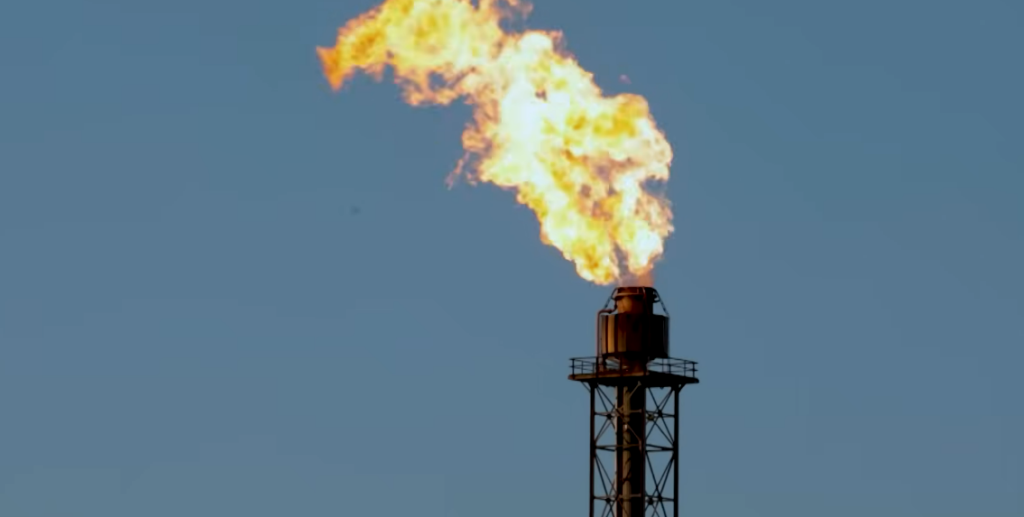
Globally, the rate of growth in electricity consumption is double that of the total energy demand. Heat pumps replacing gas boilers throughout northern Europe, AI data centers, and EV charging networks are all straining a grid that was not built for this kind of load in many locations. In a somewhat covert manner, tech companies have begun to enter into agreements with nuclear operators. Not because nuclear is inexpensive or quick to construct, but rather because it operates continuously and emits no emissions—a combination that is currently extremely difficult to find elsewhere. Globally, more than 70 gigawatts of new nuclear capacity are being built, the most in about thirty years. Compared to ten years ago, when the industry appeared to be in controlled decline, that is a startling reversal.
In the meantime, China has made itself indispensable to the energy transition over the last fifteen years in a way that is only now fully recognized. Approximately 70% of the world’s strategic minerals related to energy are refined there. Over 80% of the world’s solar panel capacity is produced there. Three-quarters of the EV batteries used worldwide are produced there. These are physical realities that take years or even decades to change; they are not positions that can be negotiated. Europe and the United States are making an effort. The development of new mines takes ten to twenty years. Both sides of the Atlantic have imposed tariffs on Chinese electric vehicles. Whether any of this constitutes true supply chain diversification or merely a more costly, slower form of the same reliance is still up for debate.
The entire discussion of the energy transition is characterized by an increasing tension that is rarely expressed clearly. Governments lose the political authority to make any long-term decisions if they don’t provide affordable energy now, not later. Not only do significant fluctuations in energy prices harm consumers, but they also erode support for the very policies intended to stop future fluctuations. When Russia cut off its pipeline gas supply in 2022, Germany discovered this the hard way. Sustainability objectives were subordinated as energy security quickly reclaimed its position as the top priority. What appeared to be a short-term emergency response may have evolved into a longer-term change in the way European policymakers set their priorities.
Russia is in a unique position as it observes all of this. Since the invasion of Ukraine, it has accelerated its shift away from European energy markets and toward China, but switching from one dominant buyer to another is not exactly a strategy. Rerouting natural gas eastward at scale is challenging due to infrastructure limitations. In a relationship where China has the majority of the negotiating power, it is difficult to replicate the global relevance that resulted from supplying Europe. It is difficult to ignore the fact that Russia’s short-term disruption potential belies its much weaker long-term energy position.
It seems as though the energy world is in between frameworks as you watch this play out. The old system, which was based on the idea that fossil fuels would continue to be the foundation of everything, oil security, OPEC spare capacity, and IEA emergency reserves, is clearly deteriorating. It is not yet cohesive enough to be replaced by the new system, which is based on critical mineral supply chains, renewable electricity, and a different set of geopolitical dependencies. The IEA is correct that some things are fairly certain: the demand for electricity will continue to rise, renewable energy sources will continue to become more affordable, nuclear power is returning, and as China’s remarkable decades-long growth run tapers off, the center of global energy gravity will shift toward India and Southeast Asia. However, there are a lot of unanswered questions with certainties at that level of generality.
The decisions being made today in Washington, Beijing, Brussels, and Riyadh will determine the actual course of the next ten years in the energy sector. The uncertainty surrounding these decisions would make even the most optimistic analyst wary. Even the greatest minds have made mistakes in the past. The Secretary of Energy was informed by U.S. energy officials in 2003 that significant LNG imports would be necessary for America’s future. Ten years later, the US was the biggest exporter of LNG worldwide. The model did not account for the shale revolution. No one’s model is likely to account for the next disruption, whatever it may be. That is the current state of the energy markets. They’re not merely unsure. In their own uncertain ways, they are uncertain.