
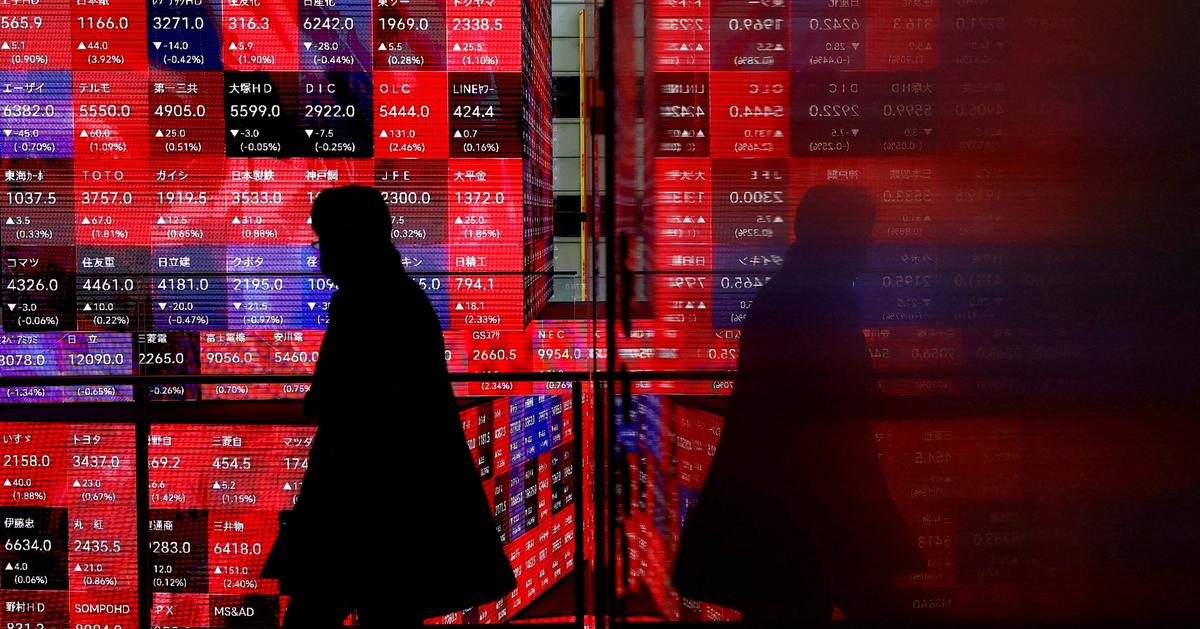
Global financial markets experienced significant turbulence as oil prices surged above $100 per barrel for the first time since 2022, driven by escalating concerns over Iran’s actions in the Strait of Hormuz. The stock market turmoil reflected growing investor anxiety about potential supply disruptions in one of the world’s most critical energy chokepoints, with major indices recording steep losses across multiple continents.
The S&P 500 dropped 1.5% on Thursday, marking its worst single-day performance since the conflict began, according to reports. European markets also suffered losses, with a key continental index declining 0.6% during trading sessions. Meanwhile, US gasoline prices continued their upward trajectory for the 12th consecutive day, adding pressure on consumers already grappling with inflationary concerns.
Asian Markets Face Steeper Declines
Asian stock markets bore the brunt of the sell-off, with particularly severe losses in South Korea. The country’s monthslong market rally came to an abrupt end as investors reassessed risks associated with regional instability. South Korean industries depend heavily on raw materials sourced from the Middle East, making the nation’s economy especially vulnerable to disruptions in the Strait of Hormuz.
The strait serves as a vital shipping lane for global oil supplies, with approximately one-fifth of the world’s petroleum passing through the narrow waterway. Any prolonged closure or interference with tanker traffic could have far-reaching consequences for energy markets and the broader global economy.
White House Acknowledges Intelligence Gap
According to CNN, the White House “significantly underestimated” Iran’s willingness to close or restrict access to the Strait of Hormuz. This admission suggests a potential miscalculation in assessing Tehran’s strategic intentions and capabilities in the region. The revelation has raised questions about the adequacy of intelligence assessments guiding US policy decisions.
In response to the escalating situation, Washington has pledged to begin escorting commercial tankers through the disputed waterway to ensure safe passage. However, the Treasury secretary acknowledged that the United States is “not ready” to implement such operations immediately, indicating logistical and operational challenges that must be addressed before protective measures can be deployed.
Oil Price Surge Adds Economic Pressure
The return of oil prices above the $100 threshold represents a critical psychological and economic milestone for global energy markets. Higher crude oil costs typically translate into increased gasoline prices at the pump, elevated transportation expenses, and broader inflationary pressures across various economic sectors. The sustained rise in fuel costs threatens to undermine consumer spending power and business profitability.
Additionally, the stock market volatility has eroded investor confidence and contributed to uncertainty about near-term economic prospects. Financial analysts are closely monitoring whether the current downturn represents a temporary correction or the beginning of a more prolonged period of market instability.
Regional Industries Face Supply Chain Risks
Industries dependent on Middle Eastern imports are reassessing their supply chain vulnerabilities in light of the current crisis. Manufacturing sectors in Asian economies, particularly those relying on petroleum-based materials and energy-intensive production processes, face potential disruptions that could impact output and profitability. Companies are exploring alternative sourcing arrangements and contingency plans to mitigate risks.
The timing and scope of US tanker escort operations remain uncertain as military and diplomatic officials work to coordinate an effective response. Market participants await further clarity on when protective measures will commence and whether they will be sufficient to stabilize oil prices and restore investor confidence in affected stock markets.
