
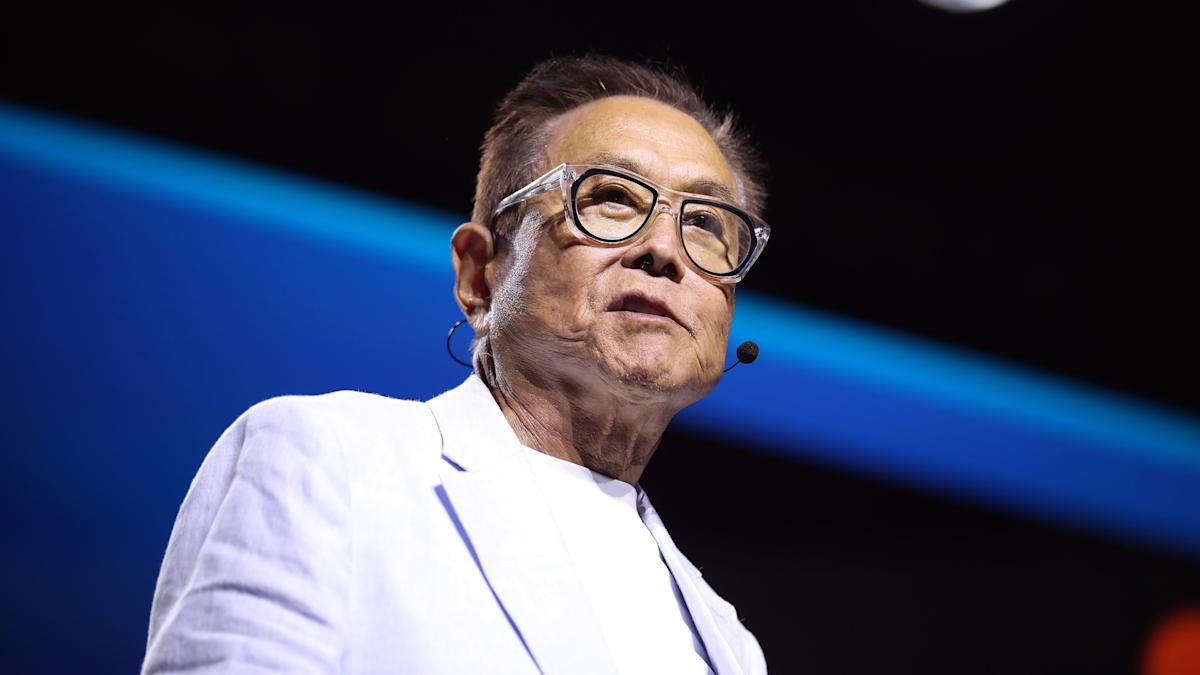
Robert Kiyosaki, best-selling author of “Rich Dad Poor Dad,” is warning investors that the biggest stock market crash in history may be arriving in 2026. According to a recent post on X, Kiyosaki stated he first predicted this coming crash in his 2013 book “Rich Dad’s Prophecy,” and he fears the warning is now becoming reality. The renowned financial educator argues that underlying issues from the 2008 financial crisis were never properly addressed.
Kiyosaki believes the root causes of the 2008 crisis remain unresolved, suggesting the next crash could be even larger in magnitude. The S&P 500 plummeted 38.5% during the 2008 crisis, and the author warns that baby boomers could be especially vulnerable this time around. “Baby boomers retirements will be wiped out all over the world because the world is loaded with debt it cannot pay back,” he stated in his post.
Stock Market Crash Risk Amplified by Heavy Equity Exposure
The potential impact of a major stock market crash could be particularly severe given current investment patterns. According to Reuters, U.S. private sector defined-contribution pension plans now hold nearly 70% of their assets in stocks, while U.S. households hold a record 45.4% of their financial assets in equities. This unprecedented concentration in equities means retirement portfolios are highly exposed to potential market downturns.
However, Kiyosaki isn’t simply issuing warnings without offering solutions. He has consistently recommended that investors become proactive and diversify into alternative assets to protect their wealth. His preferred investments include gold, silver, Bitcoin, Ethereum, and partnerships in real oil wells, according to his recent statements.
Gold and Silver as Safe-Haven Assets
Kiyosaki has long championed precious metals as a hedge against economic uncertainty. “I’m not buying gold because I like gold, I’m buying gold because I don’t trust the Fed,” he explained in a 2021 interview. The financial author revealed in a 2025 interview that he personally owns boxes of gold and even owns gold mines.
Additionally, Kiyosaki has emphasized silver’s accessibility for everyday investors. “I love silver because even in 2026, if you have $10 you can go to a gold and silver dealer and buy $10 worth of junk real silver,” he wrote. The precious metals market has rewarded investors recently, with gold prices surging more than 70% over the past 12 months and silver more than doubling.
Gold and silver have historically served as stores of value during periods of inflation and market volatility. Unlike fiat currencies, they cannot be printed at will by central banks, and their scarcity combined with centuries of acceptance gives them enduring appeal during times of economic stress.
Real Estate for Income and Inflation Protection
Beyond precious metals, Kiyosaki has emphasized real estate as a crucial component of crash protection. In previous warnings about potential market crashes, he recommended that investors acquire income-producing real estate that provides steady cash flow even during economic downturns. The author disclosed that he personally owns 1,500 rental properties.
Real estate offers multiple benefits during uncertain economic times. Property values often increase during inflationary periods, reflecting higher costs for materials, labor, and land. Meanwhile, rental income typically rises alongside inflation, providing landlords with an income stream that adjusts naturally to maintain purchasing power.
In contrast to the volatility of stock markets, high-quality real estate investments can generate consistent rental income regardless of headline market swings. This stability makes real estate particularly attractive for investors seeking to preserve wealth and maintain income streams during potential market crashes.
Cryptocurrency as Digital Scarcity Play
Kiyosaki has been vocal about his holdings in cryptocurrencies, particularly Bitcoin and Ethereum. Despite recent price volatility in cryptocurrency markets, the author remains bullish on digital assets. “I am so bullish on Bitcoin I am buying more and more as Bitcoin’s price goes down,” he stated last month, emphasizing Bitcoin’s fixed supply cap of 21 million coins.
The financial educator views Bitcoin’s mathematical scarcity as a key advantage over traditional fiat currencies that central banks can create in unlimited quantities. Kiyosaki has stated he plans to continue “buying more Bitcoin as people panic and sell into the coming crash,” viewing market downturns as buying opportunities rather than reasons to exit positions.
Alternative Assets and Diversification Strategy
Kiyosaki’s investment approach reflects a broader theme of diversification across asset classes that operate independently from traditional stock and bond markets. Nearly 40% of the S&P 500’s weight is currently concentrated in its ten largest stocks, according to market data, while the index’s cyclically adjusted price-to-earnings (CAPE) ratio hasn’t reached these levels since the dot-com boom.
This concentration risk in equity markets makes diversification into alternative assets increasingly relevant for investors concerned about potential downturns. Alternative investments can include commodities, collectibles, and other assets that typically don’t move in tandem with traditional stock and bond portfolios during periods of market stress.
The timing and severity of any potential stock market crash remains uncertain, and Kiyosaki himself acknowledged he hopes his prediction proves wrong. Investors will be watching economic indicators, Federal Reserve policy decisions, and global debt levels closely in the coming months to assess whether the financial system faces the kind of stress Kiyosaki anticipates.
